If you own property in New York City, trees on or near your land are not just a landscaping matter. They are a legal one. NYC tree ordinances set clear rules about what you can and cannot do with trees on your lot, on the street, and everywhere in between. Breaking these rules can cost you thousands of dollars in fines. It can also derail a home sale or delay a construction project.
Many property owners don’t realize how far these rules reach. That’s a problem. This guide breaks down everything you need to know about NYC tree ordinances in 2026 in plain language, without the legal jargon.
What Are NYC Tree Ordinances?
NYC tree ordinances are local laws that govern how trees are planted, maintained, and removed across the five boroughs. They exist to protect the city’s urban foresta network of over 7 million trees that clean the air, cool streets, and reduce stormwater runoff. These aren’t optional guidelines. They carry real legal weight.
The NYC Parks Department leads most citywide tree programs. But borough offices, local community boards, and even village governments in areas like Queens and Staten Island all play a role, too. That’s why the rules can feel complicated. Your property might fall under more than one authority.
The strongest tree protection ordinances are tied directly to community planning goals — canopy targets, air quality standards, and climate resilience strategies. In 2026, that connection is tighter than ever.
Street Trees vs. Private Property Trees: Know the Difference
This is where most homeowners get tripped up. Just because a tree sits in front of your house doesn’t mean you own it. Street trees and trees in the right-of-way belong to the city. You cannot touch them without permission, full stop.
Trees on your private property are different. But inside city limits, many of those are regulated, too. If a tree hits a certain trunk diameter, it becomes a protected tree. At that point, you need a permit before removing or significantly altering it. The threshold varies slightly by area, so always confirm with your local authority.
Here’s a quick breakdown of tree ownership in NYC:
- Street trees and tree lawns: Owned and managed by the city
- Trees fully on your lot: Regulated if they meet size thresholds
- Boundary trees on the property line: Possibly jointly owned — requires neighbor consent and a permit
When Do You Actually Need a Tree Removal Permit?
Not every tree interaction requires paperwork. But plenty do — and the line isn’t always obvious. Generally, you need a permit any time you plan to remove, destroy, or significantly damage a regulated tree.
Common triggers for a removal permit:
- Removing any street tree or right-of-way tree
- Removing a protected tree on private property
- Clearing multiple trees for a renovation or new build
- Cutting roots or large branches that could threaten a regulated tree’s health
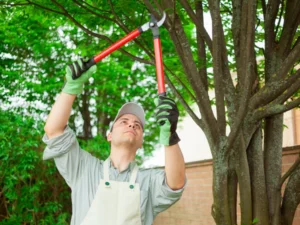
Routine pruning is usually exempt. Light trimming for safety and clearance typically doesn’t need a permit. But never prune a street tree in the right-of-way without checking first. And never top a city tree — it can still trigger a violation even if you didn’t remove it.
What About Dead or Dangerous Trees?
There are exemptions for hazardous trees. If a tree is dead, diseased, or poses an immediate danger to life or property, you may qualify for an emergency removal. You still need to document it. Take photos. Get an assessment from an ISA-certified arborist. That paper trail protects you.
How to Get a Tree Removal Permit in NYC
The process isn’t complicated, but it does require preparation. A complete application moves faster. An incomplete one gets delayed — sometimes for weeks. Here’s what you’ll generally need to submit.
Start by confirming your jurisdiction. Are you inside city limits? Inside an incorporated village? The answer changes which office you file with and which rules apply. This step alone prevents costly mistakes.
Your application should include a site sketch, photos of the tree, proof of ownership, and a written reason for removal. For larger development projects, the city may also require a full tree preservation plan and a boundary survey. An inspection is common, especially for complex removals.
Processing times vary. Plan especially if you’re coordinating with a contractor, a listing date, or a construction schedule. Build in extra weeks. And always confirm current fees directly with the relevant office, as they change periodically.
Tree Replacement Rules: What NYC Expects After a Removal
Removal is rarely the end of the story. In most cases, you’re required to replace what you took down. NYC typically follows a one-for-one replacement rule. The new tree must meet a minimum caliper size — often around 4 inches, measured at a set height from the root crown.
Can’t plant on-site? There’s an alternative. You may be able to contribute to the city’s Tree Fund instead. For multiple removals, a mix of replanting and fund contribution is sometimes allowed. Either way, mitigation must be proportional to the community impact of losing the trees — not just a flat count.
When choosing replacement species, go native and hardy. The NYC Parks Department maintains approved species lists suited to city conditions. Space trees properly from curbs, sidewalks, utilities, and foundations. Plant during fall or spring — those are the best seasons for NYC’s climate.
After planting, keep records. Photos, receipts, and permit completion forms all matter. If your permit requires proof of replanting, submit it promptly to close the file.
Fines, Violations, and the Real Cost of Non-Compliance
Let’s be blunt. The penalties for violating NYC tree ordinances are serious. Unauthorized removal of a protected tree can result in fines ranging from hundreds to thousands of dollars per tree. In some cases, you may also face retroactive mitigation requirements — meaning you still have to replace what you cut down, on top of the fine.
Beyond the fines, there are real estate consequences. Unauthorized removals, visible stumps, and unresolved permit violations can raise red flags during buyer inspections and delay or derail a home sale. Insurance carriers notice, too.
The good news? Compliance is straightforward when you plan. Confirm your permit requirements. Hire a licensed contractor. Document everything. It’s a lot easier than fixing a violation after the fact.
Property Lines, Neighbors, and Utility Conflicts
Boundary trees are a common source of neighbor disputes in NYC. If a tree trunk sits on the property line, it may be jointly owned. That means you need your neighbor’s consent — and a city permit — before removing or significantly altering it. Written agreements between both parties prevent conflicts down the road.
Overhanging branches are a bit different. You can generally trim branches and roots that cross into your property. But you cannot harm the tree’s overall health or trespass in the process. If the tree is a regulated street tree, contact the city before any pruning.
Never attempt to prune near live utility lines yourself. Utilities operating in the right-of-way have their own obligations regarding trees. When a utility project affects a regulated tree, confirm which agency holds authority before you act.
How NYC Tree Ordinances Are Evolving in 2026
Tree law isn’t static. Across New York State and in NYC specifically, tree protection ordinances are being updated to reflect modern urban forestry best practices. Many older ordinances were written decades ago and no longer align with current community goals. That creates legal and political friction.
There’s also growing pressure from private property rights advocates. Recent legal challenges have targeted tree ordinances across the country — and NYC is not immune. Urban planners and arborists are working to strengthen ordinances by tying them more clearly to documented community plans, canopy targets, and environmental impact data.
One key principle gaining traction: tree regulations should apply equitably across all property types. Blanket exemptions for certain zoning classes or small property sizes can create legal vulnerabilities. Expect NYC to continue refining its approach. New York State’s 25 Million Trees initiative also pushes replanting and canopy expansion into the spotlight — and trickles down into local permit requirements.
Quick Compliance Checklist for NYC Property Owners
Before doing any tree work, run through this list:
- Confirm your jurisdiction (NYC, borough, or local village)
- Identify which trees are regulated and their protection status
- Apply for a permit before any removal starts
- Document tree conditions with photos and professional reports
- Use ISA-certified, insured contractors only
- Complete required replanting and keep all records on file
Conclusion: Stay Compliant, Protect Your Property
NYC tree ordinances exist for good reason. They protect shared resources, keep neighborhoods livable, and help the city meet its long-term climate goals. As a property owner, understanding these rules isn’t just about avoiding fines it’s about protecting your investment and your community.
The rules are manageable when you know them. Get the right permits. Work with qualified professionals. Keep clean records. When in doubt, contact your local authority before you act — not after.
For more guidance on navigating NYC tree ordinances and local property compliance, visit tree services nyc. We help property owners stay on the right side of local law — and keep their properties looking their best.
Frequently Asked Questions
1. Do I need a permit to remove a tree on my own property in NYC?
Yes, in most cases. If your tree meets the city’s size threshold for a protected tree, you need a removal permit before any work begins. The exact rules depend on your borough and whether your property falls inside an incorporated village. Always confirm with the relevant local authority first.
2. What happens if I remove a tree without a permit?
You can face significant fines — sometimes thousands of dollars per tree. In addition, you may be required to replant as mitigation, even after paying the penalty. Violations can also appear during home inspections and affect property sales.
3. Who is responsible for street trees in NYC?
Street trees are owned and managed by the city — primarily through the NYC Parks Department. Even if a tree sits directly in front of your property, it’s not yours to remove or alter without city authorization. Contact 311 or the Parks Department for any issues with street trees near your home.
4. Can I remove a dead or diseased tree without a full permit?
There are exemptions for trees that are dead, diseased, or pose an immediate safety hazard. However, you still need to document the condition thoroughly — with photos and an arborist report — and notify the appropriate authority. Don’t assume an exemption applies; always confirm it in advance.
5. What replacement tree species are approved for NYC streets?
The NYC Parks Department maintains an approved species list for street and public trees. These are selected for hardiness, disease resistance, and suitability to urban conditions. Choosing from this list ensures your replacement tree meets city requirements and has the best chance of long-term survival.