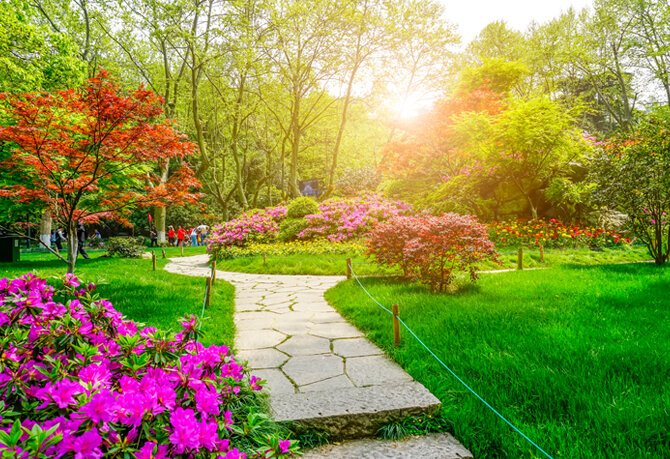
The urban forest in Manhattan has its own set of problems. Every day, your trees have to deal with pollution, damage from building, and not having enough room for their roots. Regular tree health inspections preserve your investment in your property and keep your community safe.
Healthy trees add thousands to property values. They provide shade, clean air, and beauty to our concrete jungle. But neglected trees become expensive liabilities that threaten buildings, sidewalks, and people.
This guide shows you everything about professional tree inspections. You’ll learn when to schedule them, what inspectors look for, and how to choose qualified arborists. Let’s dive into protecting your Manhattan trees.
Why Tree Health Inspections Matter for NYC Property Owners
Tree failures happen without warning in urban environments. A weakened branch doesn’t send you a text message before it falls. Professional inspections catch problems early, saving you from emergency removals and liability claims.
Manhattan property owners face specific legal responsibilities. The NYC Department of Parks owns street trees, but you’re liable if your private trees damage property or injure someone. Documentation from regular inspections protects you legally and financially.
Insurance companies increasingly require tree maintenance records. After storms, your insurer wants proof you maintained your trees properly. Professional inspection reports provide that critical documentation when you need it most.
Trees in dense urban areas pose higher risks than suburban trees. More people walk under them daily. Buildings, cars, and power lines sit closer to potential failure points. The consequences of tree failure multiply in Manhattan’s tight spaces.

Economic benefits of tree health inspection services include:
- Preventing $5,000-$15,000 emergency removals
- Avoiding sidewalk damage repair costs ($3,000-$10,000)
- Maintaining property values (healthy trees add 7-15% to home values)
How Often Should You Schedule Tree Health Inspection Services?
Mature, healthy trees need professional inspections every 1-3 years. Younger trees establishing in Manhattan’s harsh conditions benefit from annual checkups. Trees with existing problems require yearly monitoring at a minimum.
Your inspection schedule depends on several factors. Tree age matters significantly. Species vulnerability to local pests plays a role, too. Location near buildings or sidewalks increases the inspection frequency needs.
Schedule emergency inspections immediately after severe weather. Manhattan experiences hurricanes, nor’easters, and severe thunderstorms regularly. High winds and heavy snow loads stress tree structures beyond normal limits. Don’t wait for your next scheduled inspection after major storms.
Between professional visits, walk your property each season. Spring reveals winter damage and pest emergence. Summer shows drought stress and disease symptoms. Fall makes structural issues visible through thinning leaves. Winter exposes branch problems hidden by foliage.
Trees showing warning signs need immediate professional attention. Sudden leaning indicates root failure. Large cracks signal structural weakness. Fungal growth suggests internal decay. Call certified arborists when you spot these red flags.
What Professional Tree Health Inspections Include
ISA-certified arborists examine your trees from roots to crown. They start by checking the root collar for decay and damage. Soil compaction and drainage issues get evaluated next. Root problems often cause symptoms that appear in branches months later.
Trunk inspection reveals critical structural information. Vertical cracks indicate decay and potential failure points. Horizontal cracks warn of imminent breakage. Cavities and hollow sections reduce structural integrity significantly. Arborists document every defect with measurements and photographs.
The canopy tells stories about tree health. Dead branches signal disease or pest damage. Weak attachments between branches create future hazards. Leaf color and density indicate nutrient deficiencies or root problems. Professional inspectors spot subtle signs homeowners miss.
Advanced diagnostic tools enhance inspection accuracy. Resistance drilling detects internal decay without major tree damage. Sonic tomography maps hollow sections inside trunks. These technologies reveal problems invisible to the naked eye.
Comprehensive tree health inspection services examine:
- Root system stability and health
- Trunk integrity and structural soundness
- Branch attachments and crown condition
- Site factors affecting tree safety
Target assessment completes the inspection process. Arborists evaluate what could be hit if the tree fails. Buildings, sidewalks, parking areas, and high-traffic zones all factor into risk calculations. Manhattan’s density makes target assessment especially critical.
Common Tree Problems in NYC’s Urban Environment
Manhattan trees face challenges suburban trees never encounter. Soil compaction from foot traffic limits root growth. De-icing salt damages roots and foliage during winter months. Construction projects frequently injure root systems without property owners realizing it.
Air pollution stresses trees constantly in dense urban areas. Lack of rainfall reaching roots under pavement causes chronic drought. Heat island effects raise temperatures beyond species tolerance levels. Your trees work harder than nature intended.
Dutch elm disease continues to devastate NYC’s elm population. Anthracnose affects many ornamental species during wet springs. Powdery mildew disfigures leaves on susceptible trees. Early detection through professional inspections allows effective treatment.
The Asian longhorned beetle threatens Manhattan’s tree canopy severely. NYC maintains quarantine zones where this invasive pest appears. Emerald ash borer kills ash trees throughout the region. Professional tree health inspection services identify pest problems before they become irreversible.
Storm damage accumulates overthe years in city trees. Broken branches leave entry points for decay organisms. Poor pruning by unqualified contractors weakens the tree structure. Previous construction damage reduces stability decades later. Inspectors piece together your tree’s history to predict future problems.
Understanding Tree Risk Assessment Results
Arborists evaluate three factors when rating tree risk. The likelihood of failure depends on structural defects and tree condition. The likelihood of impact considers how often people or property occupy the target zone. Consequences assess potential damage if failure occurs.
Risk ratings range from low to extreme urgency. Low-risk trees have minor defects unlikely to cause problems. Moderate-risk trees need monitoring and routine maintenance. High-risk trees require prompt corrective action. Extreme-risk situations demand immediate response.
Your inspection report translates technical findings into actionable recommendations. Pruning removes hazardous deadwood and weak branches. Cabling and bracing provide structural support for weak attachments. Treatments address diseases and pest infestations. Sometimes removal becomes the only safe option.
Manhattan’s high population density increases risk ratings automatically. A tree that might rate moderate risk in the suburbs becomes high risk when it overhangs a busy sidewalk. Understanding this context helps you prioritize tree work appropriately.
Professional reports include photographic documentation of all defects. Cost estimates help you budget for recommended work. Timeline recommendations guide your scheduling decisions. Keep these reports for insurance purposes and liability protection.
DIY Monitoring Between Professional Inspections
You don’t need arborist’s credentials to spot obvious problems. Walk around your trees monthly, looking for changes. New cracks in the trunk need professional evaluation. The sudden appearance of mushrooms signals root decay. Hanging branches create immediate hazards.
Seasonal changes help reveal tree health issues. Spring leaf-out should be full and timely. Summer foliage should maintain good color and density. Fall color changes should progress normally. Winter reveals structural problems hidden by leaves.
However, know yourlimits that come with being a property owner. Do not try to use a chainsaw without getting professional training beforehand. Don’t climb trees to look at the branches above. Don’t try to figure out what diseases or pests are without getting an expert’s opinion first. Let certified arborists who offer tree health inspection services handle technical evaluations.
Warning signs requiring immediate professional attention:
- Trees leaning more than 15 degrees from vertical
- Cracks wider than pencil thickness
- Fungal conks growing from the trunk or roots
- Large dead sections in the canopy
Pictures help you see how things have changed throughout time. Every three months, take images from the same angles. Use photos to find little changes over time. This paperwork helps tree experts analyze how problems get worse during inspections.
Choosing Qualified Tree Inspectors in Manhattan
ISA accreditation shows that arborists follow the rules of the industry. The Tree Risk Assessment Qualification (TRAQ) shows that you have received specialist training. In New York City, you need special licenses to work on trees on private property. Verify credentials before hiring anyone to touch your trees.
Ask potential inspectors about their Manhattan experience. Local knowledge matters when dealing with NYC regulations. Request references from other Manhattan property owners. Check online reviews, but remember trees take years to show poor work results.
Insurance protects you from liability during tree work. Verify both general liability and workers’ compensation coverage. Request certificates of insurance naming you as additionally insured. Never let uninsured contractors onto your property.
Red flags include pressure to remove trees immediately. Legitimate arborists explore preservation options first. Be wary of estimates significantly lower than those of competitors. Quality tree health inspection services cost more than superficial evaluations.
Basic visual inspections typically cost $150-$300 in Manhattan. Comprehensive assessments with detailed reports run $300-$600. Advanced diagnostic testing adds $500-$1,000, depending on the equipment needed. Property size and tree count affect final pricing.
Manhattan-Specific Regulations You Must Know
NYC owns and maintains all street trees in the five boroughs. Property owners cannot prune, remove, or treat street trees without Parks Department approval. You can request service through 311 for hazardous city trees. Response times vary based on severity and department workload.
However, you’re responsible for sidewalk damage caused by street tree roots. The Trees & Sidewalks program offers free repairs for eligible Tax Class 1 properties. Applications get processed in order received, creating long waiting lists. Meanwhile, you remain liable for trip-and-fall injuries.
Private property trees fall under different rules entirely. You need NYC Parks permits before removing trees over 6 inches diameter. Pruning doesn’t require permits but must meet ANSI A300 standards. Violations result in fines up to $15,000 per tree.
Asian longhorned beetle quarantine zones impose additional restrictions. Movement of firewood and green waste requires special authorization. Infected trees must be removed and destroyed according to federal protocols. Check NYC Parks’ website for current quarantine boundaries.
Working with qualified professionals who understand local regulations prevents legal problems. Experienced Manhattan arborists handle permit applications routinely. They know what documentation the Parks Department requires. This expertise saves you time and hassle.
Protecting Your Trees During Construction
Construction damages more Manhattan trees than any other single cause. Heavy equipment compacts soil and crushes roots. Grade changes suffocate or expose root systems. Stored materials pile against trunks, causing bark damage and decay.
Establish tree protection zones before work begins. Fence critical root areas at the drip line minimum. Mark these boundaries clearly for all contractors. Include tree protection requirements in all construction contracts.
Root systems extend far beyond what you see above ground. Most critical roots grow in the top 18 inches of soil. They are 2 to 3 times wider than the canopy of the tree. Digging in these areas puts the health and stability of trees at serious risk.
In New York City, you need permission to do work that affects trees on private property. Before building starts, not after damage has been done, send in applications. Certified arborists may need to give the Parks Department tree protection plans. Plan and set aside money for these needs in your budget.
Think about having professionals watch over construction sites. Arborists can check on a regular basis to make sure the protection measures are still in place. They keep track of any damage that happens, even when they take measures. This proof is very helpful for insurance claims or disagreements with contractors.
Long-Term Tree Care Beyond Inspections
Tree health inspection services find problems, but upkeep fixes them. Pruning every three to five years keeps the structure in good shape. Every year, cut down dead trees to stop the spread of deterioration. Correct weak attachments before they fail under load.
Watering is important even in the city of Manhattan. Pavement coverage means that street trees don’t get enough rain. Water deeply during dry periods, especially for newly planted trees. Mature trees need more water during protracted dry spells.
Mulching stops the root zones from getting too hot, too cold, or too compacted. Around trees, add 2 to 4 inches of organic mulch. To keep the trunk from rotting, don’t put mulch on it. Add more mulch every year as it breaks down.
Young tree establishment requires extra attention in harsh city conditions. Stake properly for the first year only. Water every day for the first two growing seasons. During establishment, prune as little as possible and focus on building the structure.
Planning for the future of your property will help it keep its tree benefits for a long time. Find trees that are getting old and will need to be replaced at some point. If you can, plant new trees before cutting down existing ones. Pick species that can handle the tough environment and limited area in Manhattan.
Emergency Response and Resources
Storm damage requires immediate professional assessment. Don’t attempt to remove broken branches hanging precariously. Avoid walking under damaged trees until inspectors clear them. Call emergency tree services 24/7 when safety concerns exist.
For damaged city street trees, call 311 immediately. Report the specific location and nature of the hazard. The Parks Department dispatches emergency crews for dangerous situations. Keep records of your service requests and response times.
Severe weather events overwhelm tree services citywide. Schedule inspections promptly after storms, expecting delays. Take photographs of damage for insurance purposes. Document hazards with timestamps showing when you reported problems.
Private tree emergencies on your property become your responsibility. Keep contact information for certified arborists offering emergency services. Many reputable companies provide 24/7 response for dangerous situations. Expect premium pricing for after-hours emergency work.
Your inspection reports help during emergencies too. They document pre-existing conditions versus new storm damage. This distinction matters significantly for insurance claims. Regular tree health inspection services create the paper trail you need.
Protect Your Property Investment with Professional Tree Care
Your Manhattan trees deserve expert attention. Regular tree health inspection services prevent emergencies, protect your liability, and maintain property values. Don’t wait for trees to break or branches to fall.
Professional arborists catch problems years before they become visible to untrained eyes. Their expertise saves you money through early intervention. Prevention costs thousands less than emergency tree removal and property damage repairs.
At Tree Services NYC, our ISA-certified arborists provide comprehensive tree health inspection services throughout Manhattan. We understand local regulations, species challenges, and urban tree care requirements. Our detailed reports give you actionable information for protecting your valuable trees.
Schedule your professional tree inspection today. Your trees silently support your property value and neighborhood beauty. Give them the attention they deserve with expert evaluation and care.
Contact us for Manhattan’s most thorough tree health inspection services. We’ll assess your trees, explain our findings clearly, and recommend appropriate maintenance. Protect your investment—your trees and property depend on it.
FAQ,s
Who is responsible for street trees in Manhattan?
NYC Parks Department owns and maintains all street trees. Property owners cannot legally work on them without permits. Call 311 to request service for hazardous city trees.
How much does a tree health inspection cost in NYC?
Basic inspections cost between $150 and $300, while full evaluations cost between $300 and $600. Advanced diagnostic testing adds $500-$1,000, depending on equipment needs. Having more than one tree lowers the cost per tree.
Do I need permits to remove trees on my property?
Yes, you need permission from NYC to cut down trees with a trunk diameter of more than 6 inches. The Parks Department looks into applications and may not let you cut down healthy trees. Fines for taking down trees without permission can be as high as $15,000 per tree.
How often should Manhattan property owners inspect their trees?
Healthy mature trees need professional tree health inspection services every 1-3 years. Trees with known issues require annual inspections. Schedule emergency inspections immediately after severe storms.
What should I do if my tree damages a neighbor’s property?
Call your insurance provider right away and take pictures of everything. Professional inspection reports that show correct maintenance can help protect against charges of carelessness. Never say you’re at fault before talking to your insurance company.