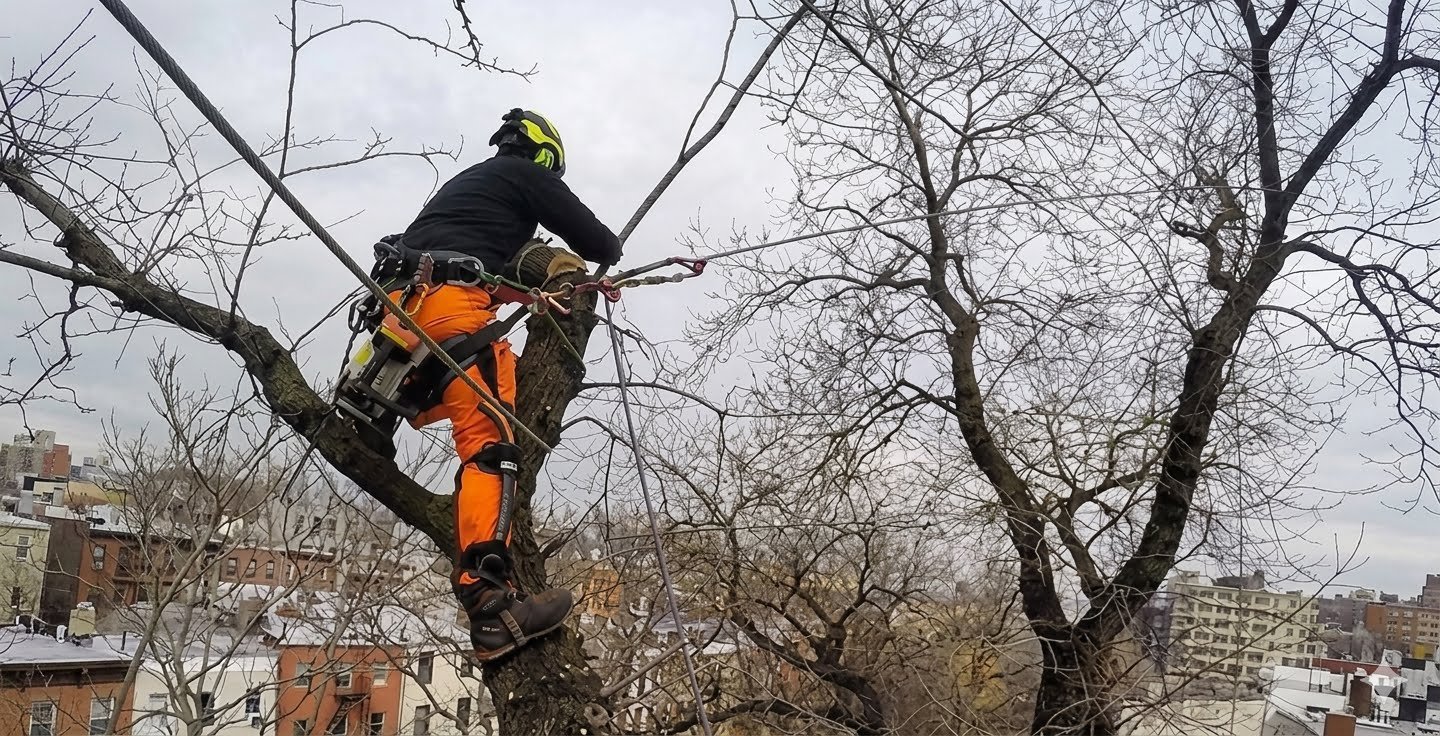
If you both planted oak trees the same year, why is it that your oak tree is healthy and your neighbor’s isn’t? When it comes to answering, it’s typically a matter of timing. Cutting trees outside the correct season can cause stress, set the stage for disease or lead to poor growth that will fracture in the following storm. Pruning timing is even more important in urban environments like New York, where street trees are under the constant threat of road salt, compacted soil, pollution and unpredictable nor’easters.
In New York City, the climate zone (7a/7b) allows for a limited and particular timeframe for a tree to be healthy for pruning. It is important to note that, in the five boroughs, trimming can occur almost anytime except during the true winter and during the humid summer months, when it impacts the ability of cuts to heal properly or provides easy access for pests like the Asian longhorned beetle or diseases such as oak wilt and fire blight. Below is a month-by-month breakdown of what actually works for Brooklyn brownstone yards, Queens backyards, Staten Island properties, and Bronx street trees.
January and February: The Dormant Season Advantage
Most deciduous species can be pruned during this dormant season in NYC. Sap flow has decreased and leaves have dropped from maples, oaks, honey locusts and London planetrees, which are the most common street trees in the city, are best when structural cuts are made. Arborists can clearly see the branch collar and identify crossing branches and deadwood that may need to be removed prior to spring growth in the absence of foliage.
Fungous spores and insect larvae are also less likely to attack fresh pruning wounds during these two months, due to the colder weather. This is also when the NYC Parks Department typically schedules its own street tree maintenance, since dormant trees tolerate heavier cuts without the shock that summer trimming causes.
What to prioritize in January–February:
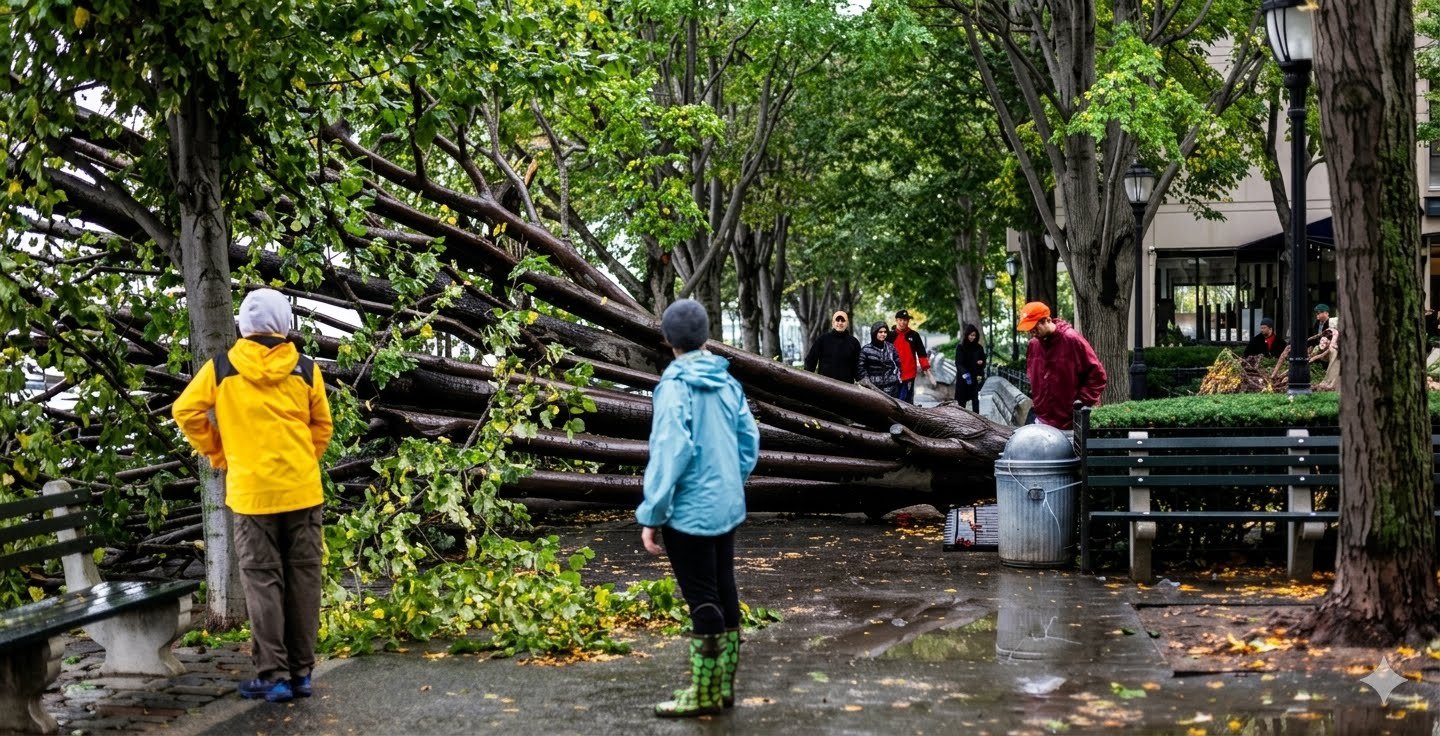
- Prune storm damaged or weak limbs before ice loading to prevent breaks.
- Structural pruning on young trees to establish strong scaffold branching
- Pruning mature oak and maple trees to open up the canopy for air flow
- Cutting back overgrown ornamental pears and crabapples before bud swell
March: The Closing Window
Early March still offers usable dormant-season conditions, but this is the last safe stretch before sap begins rising in earnest. By late March, many species start bud break, and cutting too close to this point can cause excessive sap “bleeding,” particularly in maples and birches. It won’t kill the tree, but it does waste energy the tree needs for spring leaf-out.
If you’ve got flowering trees like cherry blossoms or magnolias, hold off this month entirely pruning them now removes the flower buds that formed last season.
April and May: Avoid Major Cuts
This is when NYC’s tree canopy comes alive, and it’s generally the worst time for significant pruning. New leaves are actively photosynthesizing to build the tree’s energy reserves for the year. Removing large branches now forces the tree to use stored carbohydrates to heal wounds instead of supporting new growth, which can weaken it heading into summer heat stress.
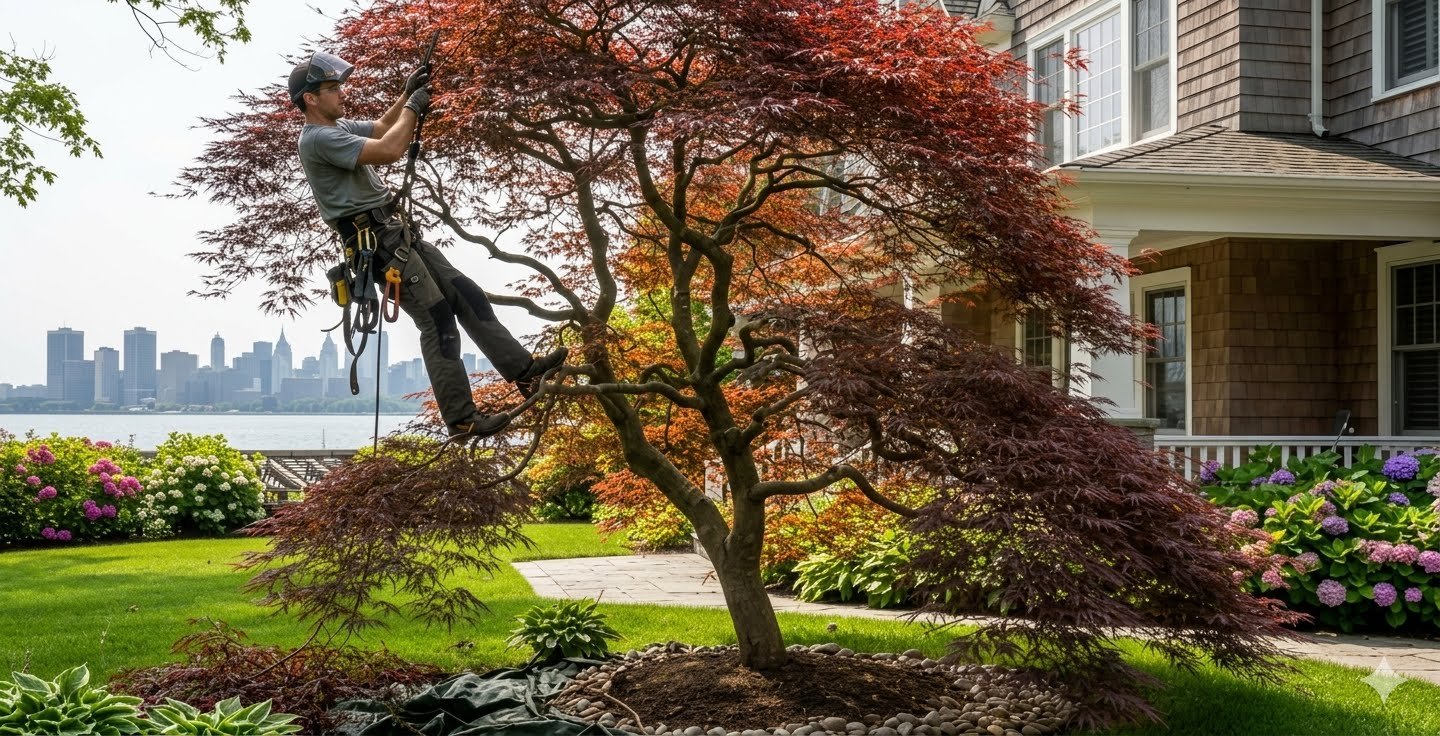
Small-scale light work, such as removing a single broken branch or cutting a limb that’s hanging over a sidewalk, or shaping hedges or shrubs like privet or boxwood is still fine. But don’t take out more than 10-15% of cover during this active stage of growth.
June and July: Watch for Pest and Disease Triggers
If not performed at the right time, summer trimming in NYC can be dangerous. However, because of Dutch elm disease, which is transmitted by beetles whose activity is stimulated by fresh cuts during warm weather, Elm trees should not be pruned during these months. Due to oak wilt, many arborists advise against cutting oaks at all during the months April through July.
However, there are certain things that early to mid summer is really helpful for. This is the ideal time to see and clear deadwood as dead branches will be more obvious against complete green cover that is difficult to evaluate in winter. It is also the time to do corrective pruning on spring blooming trees, such as lilacs and forsythia, without depriving the branches of flowers for next spring.
August: A Quiet Month for Trees
There is little pruning recommended during the month of August. In NYC trees are stressed by heat and humidity and cuts made now heal slowly. This is primarily a maintenance month, watering young or newly planted trees, watching for girdling roots, and watching for pest activity such as spotted lanternfly which has been a big issue in Brooklyn, Staten Island, and much of Queens in recent years.
September: Transition Begins
When temperatures begin to fall, trees begin to redirect energy to root systems for dormancy. Light pruning can be continued as long as there is no risk of damaging the fruiting wood by removing too many branches, especially on trees with weak or crossing branches prior to leaf fall which will make the stand harder to assess. It’s also a good time of the month to gauge storm risk as NYC’s hurricane season is at its peak from late August to October.
October: Storm Prep Season
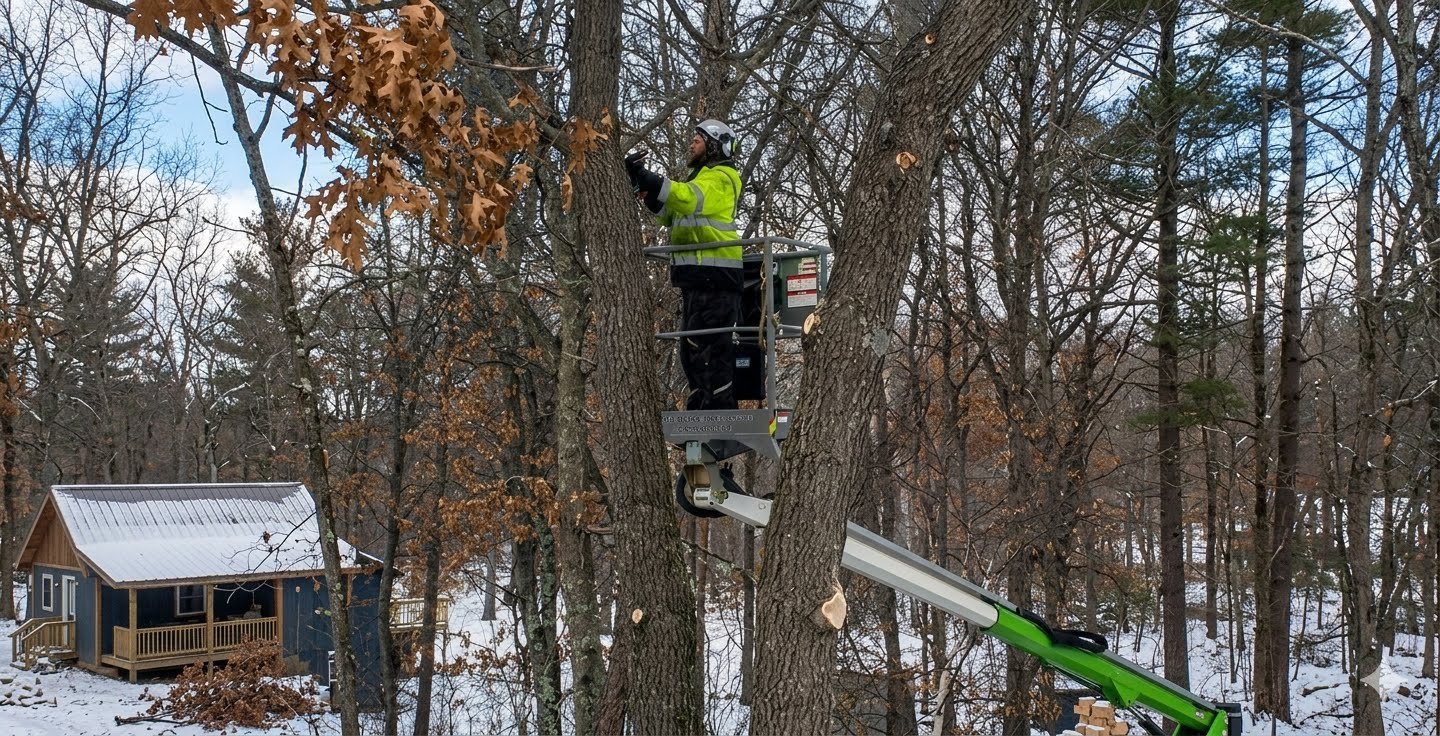
October is a stormy period that’s crucial for hazard assessment. Now is the time for homeowners to get arborists to assess large mature trees for structural failures and concerns, particularly trees that are close to homes, power lines and fences, as hurricanes and nor’easter season remains. All the weak unions, codominant stems, and overextended limbs have been removed, decreasing the likelihood of damage during fall storms.
Light has begun to penetrate the leaves, improving view into the branch architecture and the tree not being fully dormant.
November: Second Dormant Window Opens
At the end of the month of November, most NYC trees have shed their leaves and are again entering dormancy. This opens the safe pruning window which lasts through the winter. This is a great season for such significant tree maintenance as crown reduction of over-sized trees, and branch removal, often necessary when trees encroach upon utility lines, as is the case with many tree-lined blocks in Queens and the Bronx.
Tasks that fit well in November:
- Crown raising to clear sidewalks and driveways per NYC sidewalk clearance rules
- Removing suckers and water sprouts from the base and trunk
- Cabling or bracing weak branch unions before winter ice accumulates
- Final cleanup pruning before ground freezes
December: Light Maintenance Only
December bridges into the dormant season again, though many arborists prefer to wait until temperatures consistently stay below freezing before heavy cuts. It’s a good time this month to shape evergreens (arborvitae, holly, boxwood) and to prune out any broken or down limbs resulting from fall storms.
Hazard removal is the only exception to all of the above rules and is allowed year round, not just during the calendar month listed above. If the situation is a broken limb or a tree that is leaning over a driveway, or is leaning against a building or fence after a storm, it needs to be treated right away, not during the “right season”. While the optimal timing for routine tree maintenance depends on the tree’s biology, safety is always the most important factor.
Conclusion
Getting tree trimming right in NYC isn’t about picking a random weekend when the weather looks decent, it’s about matching the work to what’s actually happening inside the tree at that point in the year. There are then dormant months where plant defense against disease and good structural development are needed, and active growing seasons that require careful restraint and plant maintenance only when needed. Without this logic, particularly elms and oaks, which are sensitive to disease, years of good growth can be lost in an afternoon.
Fall storm prep windows and yearly hazard checks are yet another layer homeowners don’t want to overlook in a city that endures so much wind and ice and so many old trees. Tree Services NYC provides season-appropriate, species-specific window pruning in all five boroughs for individuals who are not certain which window is appropriate for their particular trees.