Finding cheap and great tree services in NYC doesn’t mean you have to sacrifice quality. You just need to know where to look and what to ask for. This guide will help you get professional tree care without breaking the bank.
There are some specific problems that come with living in New York City. There are trees close to buildings, electricity lines above, and getting to them can be hard. That’s why it’s so important to get skilled tree services here.
Understanding Tree Service Costs in New York City
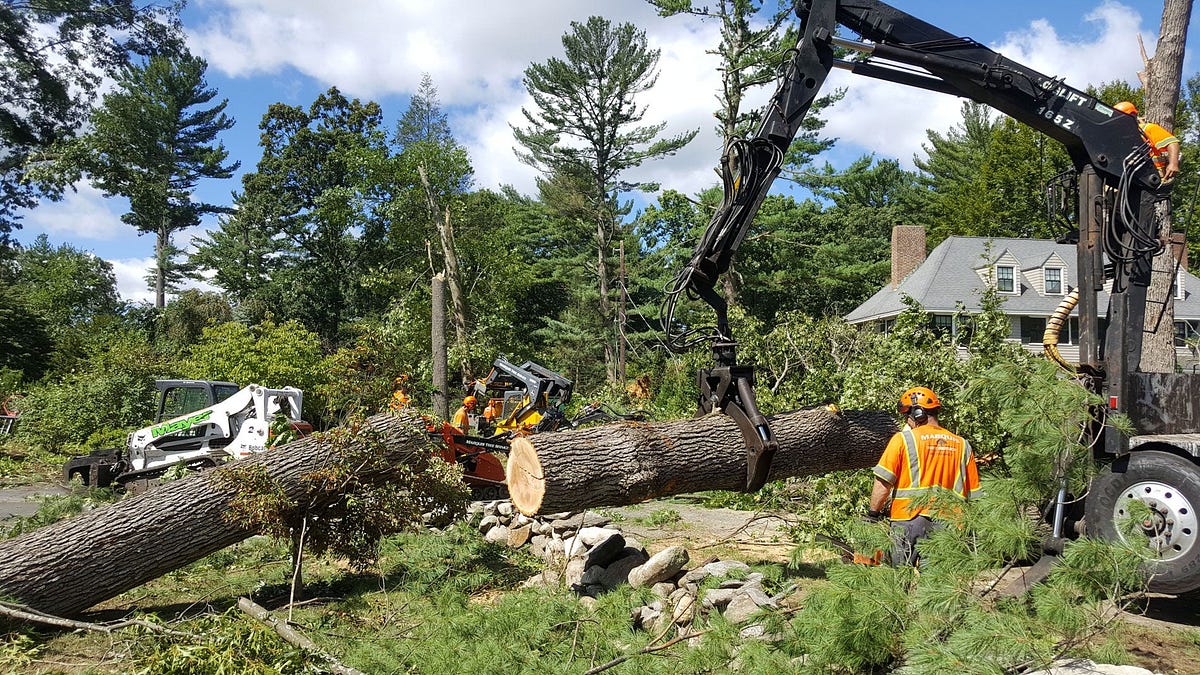
Not all tree removals in NYC are the same. Prices can be very different depending on a number of things. Most people who own a home pay between $400 and $2,500 to have trees cut down.
Small trees that are less than 30 feet tall usually cost between $250 and $600. Medium-sized trees that are between 30 and 60 feet tall cost between $400 and $1,200. It can cost you $800 to $2,500 or more to cut down a tree that is more than 60 feet tall.
But here’s the thing: size isn’t everything. Location matters just as much. A tree near your house costs more to remove than one in an open yard. Why? It requires more careful work and specialized equipment.
What Affects Your Final Price
Several factors determine what you’ll actually pay. Tree height is the obvious one. Taller trees need more equipment and take longer to remove safely.
Accessibility plays a huge role, too. Can the crew easily reach the tree with their truck? Or do they need to carry equipment through your house? These details change the price fast.
The tree’s condition matters. Dead trees can be more dangerous to remove. Diseased trees might need special handling. And trees with weak branches require extra caution.
Emergency services cost more. Storm damage that threatens your home needs immediate attention. You’ll pay a premium for that urgency, sometimes $3,000 to $5,000.
Finding Affordable Tree Services Without Cutting Corners
Getting cheap and great tree services starts with proper research. Don’t just pick the first company you find online. Take time to compare at least three to five companies.
Look for ISA-certified arborists. These professionals have proven knowledge about tree care. They know how to assess tree health and remove trees safely.
Check insurance coverage carefully. Any reputable company should have both liability insurance and workers’ compensation. If someone gets hurt on your property, you need to be protected.
Red Flags to Watch Out For
Some warning signs should make you run the other way. Companies asking for large upfront deposits often disappear with your money. Legitimate businesses don’t work that way.
Door-to-door solicitors after storms are usually bad news. Real professionals have more work than they can handle. They don’t need to knock on doors looking for business.
Extremely low bids can signal trouble, too. If one quote is half the others, ask why. The company might cut corners on safety or lack proper insurance.
How to Get the Best Value for Your Money
Smart timing can save you hundreds of dollars. The winter months from November to March are the off-season for tree services. Companies often offer discounts during these slower months.
Bundling services together helps, too. Need multiple trees removed? Ask about a package deal. Many companies give discounts when you book several services at once.
Make access easy for the crew. Clear paths to the tree. Move cars from the driveway. These small steps reduce labor time and lower your costs.
Keep the wood if you can use it. Firewood has value. Some companies charge less if they don’t need to haul it away.
Getting Multiple Estimates
Request detailed written estimates from each company. A good estimate breaks down all costs clearly. It should include removal, cleanup, and any additional fees.
Ask specific questions during the estimate. Does the price include stump grinding? What about debris removal? Will they handle permits if needed?
Compare more than just the bottom line. Look at what each company includes in its service. The cheapest option might not include everything you need.
NYC-Specific Challenges and Regulations
New York City has special rules about tree removal. Private property trees usually don’t need permits. But street trees belong to the city and require permission to touch.
The NYC Department of Parks manages all street trees. You can’t remove, prune, or even touch these trees without approval. Fines for illegal tree work start at $10,000.
Protected tree species have extra regulations. Some trees are considered valuable to the city’s ecosystem. Removing them requires special permits and sometimes replacement planting.
Urban Tree Removal Challenges
Manhattan presents unique obstacles. Buildings stand close together. Streets stay crowded with traffic. Parking is nearly impossible to find for large trucks.
Brooklyn combines residential challenges with street tree management. Queens has more suburban-style properties but still faces access issues in many neighborhoods.
The Bronx offers diverse property types. Staten Island generally has larger properties with different needs. Each borough requires different approaches to tree service.
What Should a Comprehensive Quote Include
A proper estimate does more than list a price. It describes exactly what work will be done. The timeline should be clear. Payment terms need to be spelled out.
Good companies explain their cleanup policy up front. Will they haul away all the debris? Do they grind stumps below ground level? What happens if they damage your lawn?
Insurance documentation should be easy to verify. Ask for copies of their certificates. Call the insurance company to confirm coverage is current.
Questions to Ask Before Signing
“Do you own your equipment or rent it?” Companies that own equipment tend to be more established. They can often work more efficiently, too.
“What’s your typical timeline?” Understanding how long the job takes helps you plan. Most tree removals take one to three days, depending on size.
“Do you offer any guarantees?” Some companies warrant their work. This shows confidence in their quality and professionalism.
Additional Services You Might Need
Stump grinding typically costs $2 to $6 per inch of diameter. A 20-inch stump might run $40 to $120. Complete stump removal costs more because it’s labor-intensive.
Tree trimming and pruning range from $250 to $900 for medium trees. Regular maintenance keeps trees healthy and prevents costly emergency removals later.
Emergency storm damage services cost premium rates. But they’re essential when trees threaten your home. Most companies offer 24/7 emergency response.
Seasonal Considerations
Best times for non-emergency tree work are late fall and winter. Trees are dormant. There’s less risk of disease spreading from cuts.
Spring brings new growth that can complicate removal. Summer is peak season when prices run highest. Fall after leaves drop makes the work easier.
Schedule routine maintenance during off-peak times. You’ll get better rates and more flexible scheduling. Save the premium prices for genuine emergencies.
Safety: Why DIY Tree Removal Is Dangerous
Tree removal looks simpler than it actually is. Professional arborists train for years to do this safely. They understand tree physics and how branches will fall.
Equipment can be deadly in untrained hands. Chainsaws cause thousands of injuries yearly. Falling branches kill people. Property damage runs into millions.
Power lines add another layer of danger. One wrong move can cause electrocution. Utility companies need to be involved when trees grow near lines.
Your homeowner’s insurance might not cover DIY accidents. Professional companies carry proper insurance for this reason. Don’t risk your home and health trying to save money.
How Insurance Coverage Works
Homeowner’s policies typically cover storm damage. If a tree falls on your house, insurance usually pays for removal. But they won’t pay for preventive removal of healthy trees.
Document everything thoroughly. Take photos before and after storms. Keep all receipts and estimates. Your insurance company will need this information.
File claims promptly after damage occurs. Don’t remove the tree before the adjuster sees it. You might accidentally remove evidence needed for your claim.
Finding Cheap and Great Tree Services: Final Tips
Start your search early. Don’t wait for an emergency to find a good company. Build a relationship with a tree service before you need urgent help.
Read online reviews carefully. Look for consistent patterns in feedback. One bad review doesn’t mean much, but ten similar complaints do.
Ask neighbors for recommendations. Word-of-mouth referrals often lead to the best local companies. People love sharing when they find good tree services.
Get everything in writing. Verbal agreements don’t protect you if something goes wrong. Written contracts spell out responsibilities clearly.
Making Your Final Choice
Balance cost with quality carefully. The cheapest option often costs more in the long run. Hidden fees, poor work, and property damage add up fast.
Choose companies with local experience. NYC tree work requires special knowledge. Companies that understand urban challenges do better work.
Trust your instincts about professionalism. Good companies communicate clearly. They show up on time. They answer questions patiently.
Conclusion
Finding cheap and great tree services in New York City takes research and patience. But the effort pays off in safer trees and lower costs. Remember to verify insurance, get multiple estimates, and check certifications.
Quality tree care protects your property investment. It keeps your family safe. And it maintains the urban forest that makes NYC beautiful.
Are you ready to locate the best tree service for you? Go to Tree Services NYC to find qualified arborists who know how to care for trees in New York City. We provide the knowledge, skills, and fair prices you need to safely remove trees.
FAQ,s
How much does tree removal typically cost in NYC?
Depending on the size and location of the tree, it can cost between $400 and $2,500 to have it removed in New York City. Small trees that are less than 30 feet tall cost between $250 and $600, whereas big trees that are more than 60 feet tall can cost more than $2,000.
Do I need a permit to remove a tree on my property in NYC?
Most private property trees don’t require permits in NYC. However, street trees managed by NYC Parks require permission. Protected species may need special permits regardless of location.
What’s the best time of year for affordable tree services?
The best prices for tree services are in the winter, from November to March. During this time of year, businesses don’t get as many customers; therefore, they often offer discounts on non-emergency work.
How can I verify a tree service company is legitimate?
Look for ISA certification, call their insurance company to confirm their coverage, and check reviews online. Real businesses provide you with written estimates and never ask for big payments up ahead.
Does homeowner’s insurance cover tree removal?
Most of the time, insurance only pays for tree removal if the storm damage impacts buildings that are covered. Standard plans normally don’t cover routine maintenance, planned removal, or situations that aren’t emergencies.